

Harris
More from HarrisHarris Coriander Seeds - 100g
Harris Coriander Seeds - 100g
Couldn't load pickup availability
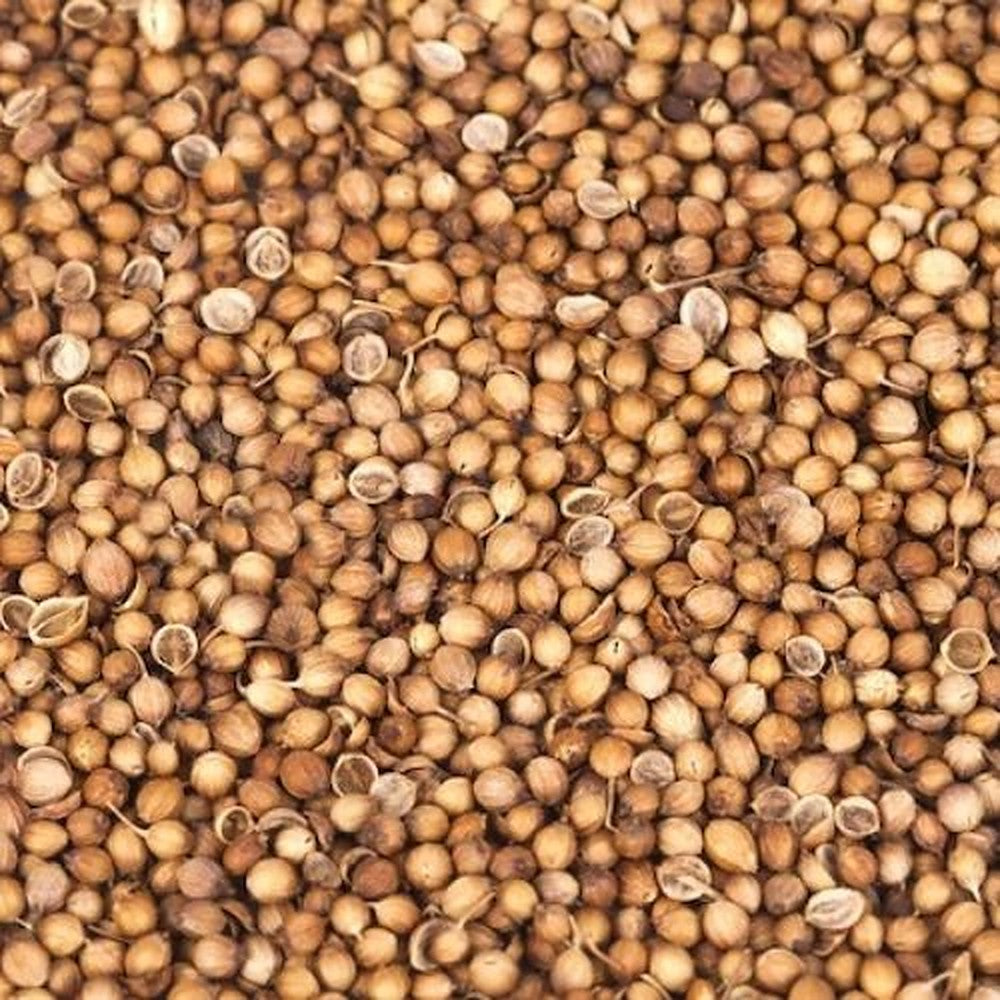
Coriander seeds are one of the most widely used botanicals in brewing and distilling - second only to juniper in gin. They carry two key aroma compounds: linalool and alpha-pinene (also found in juniper), which is why the two blend so naturally. When distilled they develop a complex profile of citrus, nutty and lightly spicy notes.
Coriander in gin
Some distillers roast their coriander seeds before steeping, while others crush them to release more flavour. As a rough guide, infuse around 1-2 tablespoons per 750ml, adjusting to taste.
Coriander in beer
Brewers use coriander widely in wheat beers and Belgian styles, where it adds citrus (lemony or orange-like), light peppery spice and subtle herbal notes - perfect for brightening lighter, yeast-driven beers.
- Common styles: Belgian witbier (classic, alongside orange peel), wheat beers, saisons and citrus-forward pale ales
- Crush before use to release the essential oils
- When to add: last 5-10 minutes of the boil for a clean, integrated spice, or at flameout/whirlpool to keep more citrus aroma
- Dosage: around 5-20g per 23L batch
Pairs especially well with orange peel, lemon zest, wheat malt and Belgian yeast esters. Use fresh - old seeds fade quickly, and too much can taste soapy.
You may also need