Home Brew Yeast
Choose yeast by what you're making and the style you want. For ales, Safale US-05 gives a clean American character, S-04 gives an English one, and Nottingham suits most ales. For lagers, use a lager strain such as SafLager W-34/70, S-23 or Mangrove Jack's M84. Wine needs a wine yeast such as Lalvin EC-1118 or K1V-1116 or the Gervin GV range. Cider ferments best with a cider strain such as Gervin GV13 or Mangrove Jack's M02.
Buying guide & FAQs
Home brew yeast is one of the most important ingredients in any fermentation, and getting the right strain for your beer, wine, or cider can transform your homebrew from good to exceptional. At BrewCo UK we stock one of the UK's widest selections of homebrew yeast, with over 75 varieties covering ale yeast, lager yeast, wine yeast, cider yeast, turbo yeast, and specialist strains for every style imaginable. Whatever you're fermenting, we have the yeast to do it justice.
Yeast is responsible for converting sugars into alcohol and CO2, but it also produces the esters, phenols, and flavour compounds that give your homebrew its unique character. An English ale yeast produces a very different result to a Belgian or American strain — and choosing the right one is key to nailing your recipe. Our range includes trusted brands such as Gervin, Fermentis, Lalvin, Alcotec, Youngs, and Bulldog, all known for reliable fermentation and consistent results.
Not sure which strain to pick? Use our Beer & Cider Yeast Selector or Wine Yeast Selector to filter and compare every strain we stock side by side.
Whether you're brewing a classic British bitter, a fruity saison, a crisp dry cider, or a rich country wine, you'll find the right homebrew yeast right here. Browse by style, brand, or fermentation temperature to find your perfect match, and get your next batch fermenting with confidence. Shop the full home brew yeast range at BrewCo UK today.

-
Mangrove Jack's Craft Series Yeast
Regular price From £1.97Regular price -
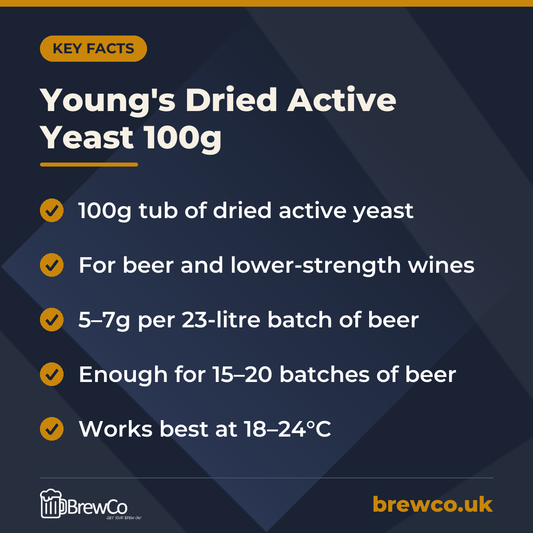
Young's Dried Active Yeast 100g
Regular price £4.19Regular price -
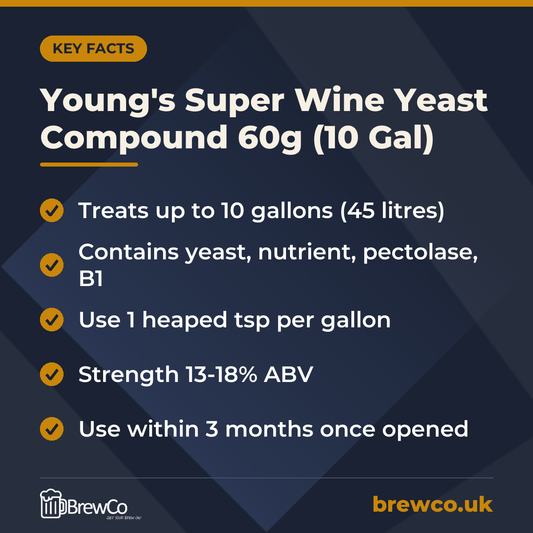
Young's Super Wine Yeast Compound 60g (10 Gal)
Regular price £4.39Regular price -
Gervin Yeast-Full Range
Regular price From £1.79Regular price -
Lalvin Yeast- Full Range
Regular price From £1.49Regular price -
Lalvin Champagne (EC-1118)
Regular price £1.79Regular price -
Mangrove Jack's Wine Yeast (Full Range)
Regular price £1.99Regular price -
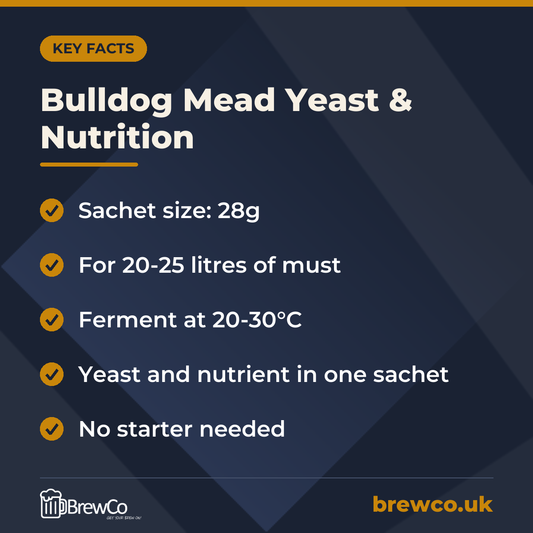
Bulldog Mead Yeast & Nutrition
Regular price £1.79Regular price -
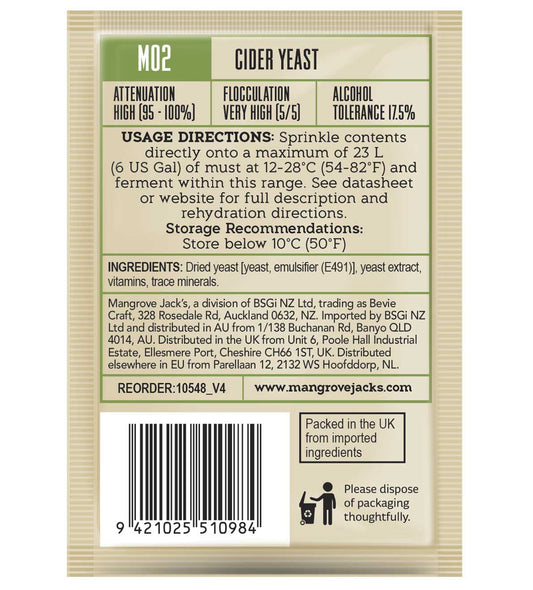
Mangrove Jacks Craft Series Cider Yeast M02
Regular price £1.99Regular price -
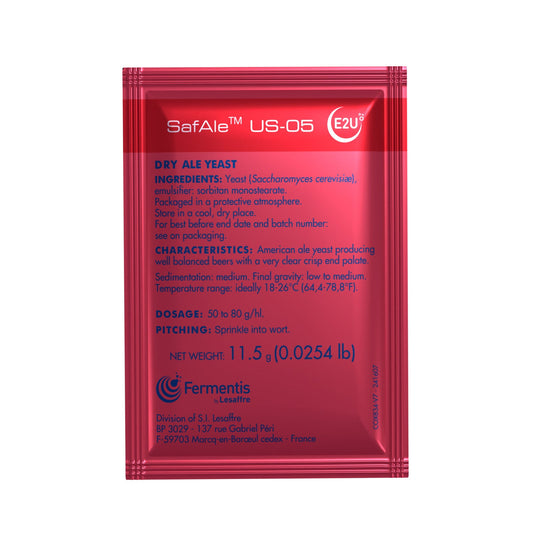
Safale US-05 Yeast (11.5g)
Regular price £3.99Regular price -
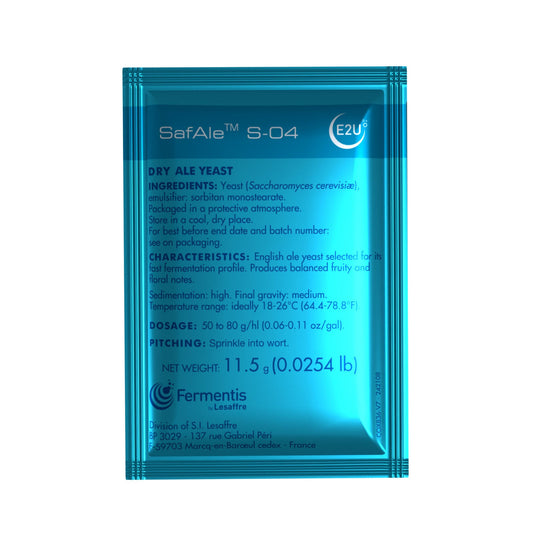
Safale S-04 Yeast (11.5g)
Regular price £3.99Regular price -
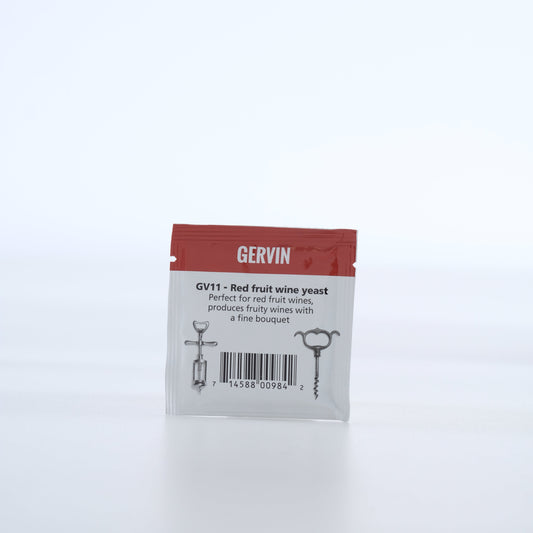
Gervin - GV11 - Red Fruit Wine Yeast
Regular price £1.79Regular price -
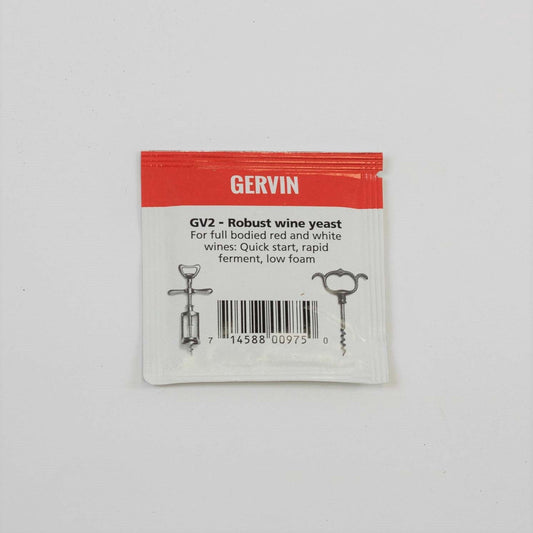
Gervin - GV2 - Robust Wine Yeast
Regular price £1.79Regular price -
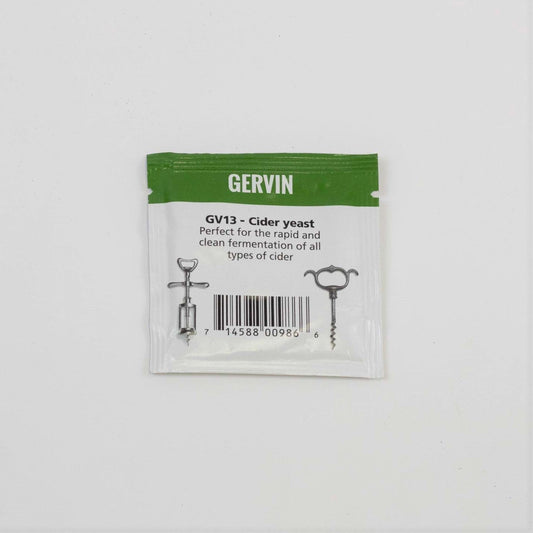
Gervin - GV13 - Cider Yeast
Regular price £1.79Regular price -
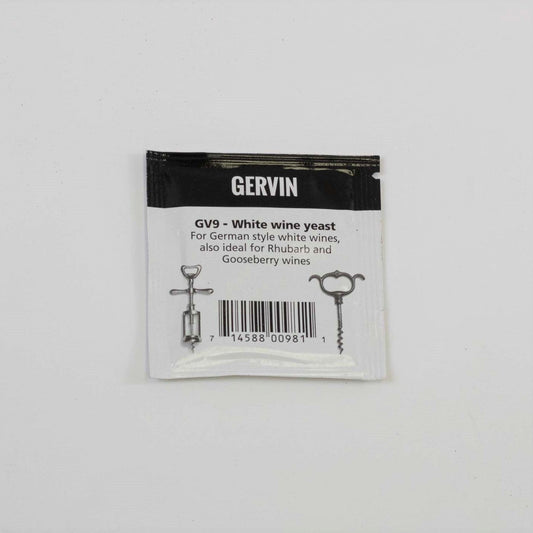
Gervin - GV9 - White Wine Yeast
Regular price £1.79Regular price -
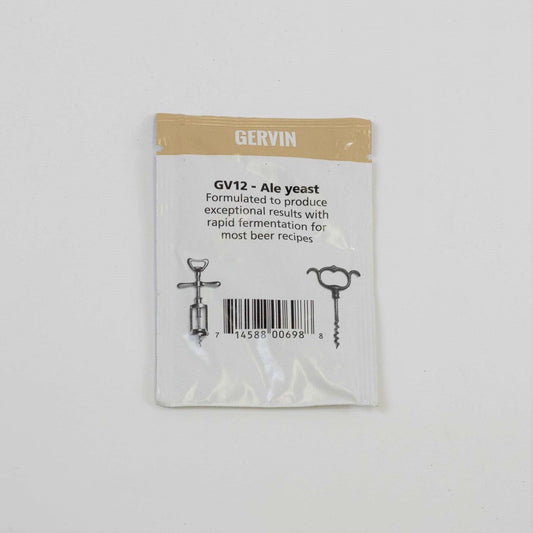
Gervin - GV12 - Ale Yeast
Regular price £3.19Regular price -
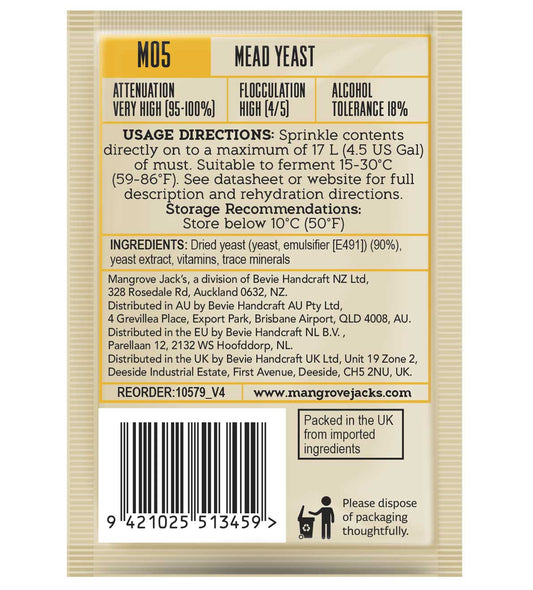
Mangrove Jacks Craft Series Mead Yeast M05
Regular price £1.97Regular price -
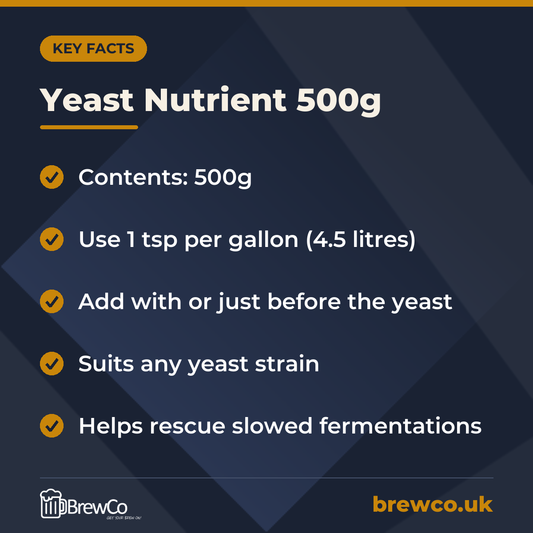
Young's Yeast Nutrient 500g Tub
Regular price £9.99Regular price -
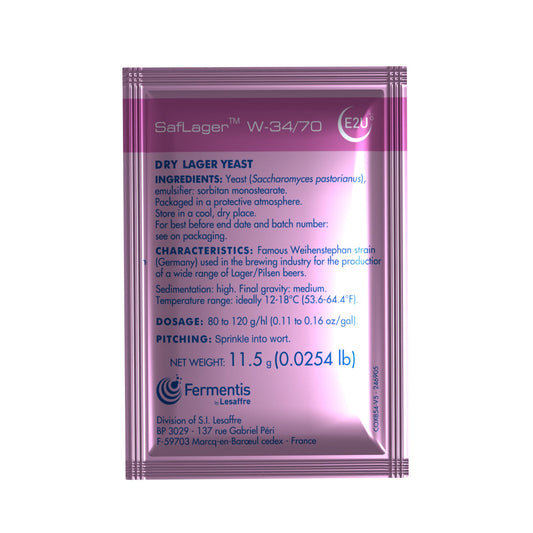
Fermentis SafLager™ W-34/70 Dried Lager Yeast 11.5g
Regular price £6.99Regular price -
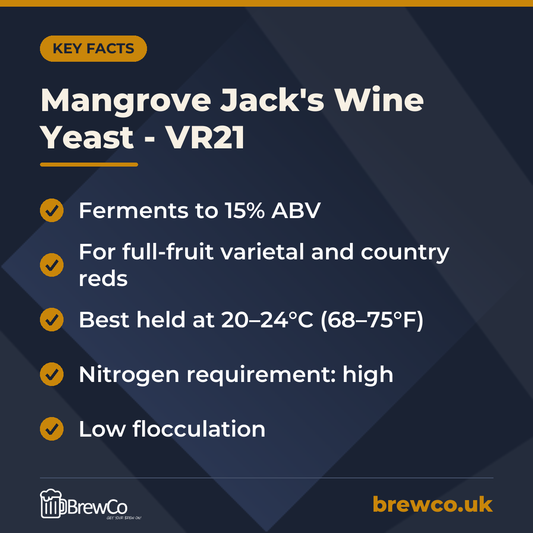
Mangrove Jack's Wine Yeast - VR21
Regular price £1.99Regular price -
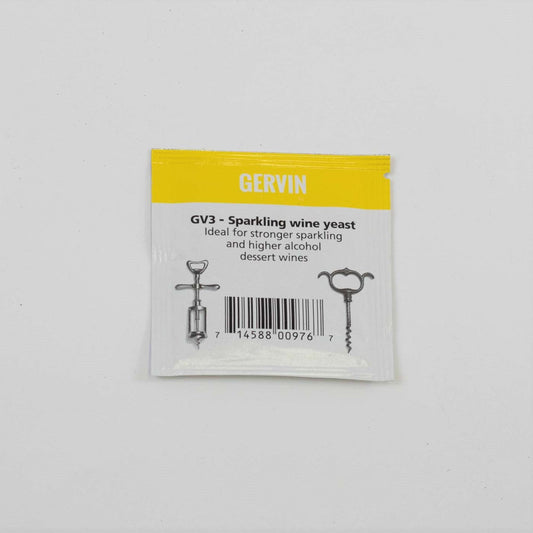
Gervin - GV3 - Sparkling Wine Yeast
Regular price £1.79Regular price -
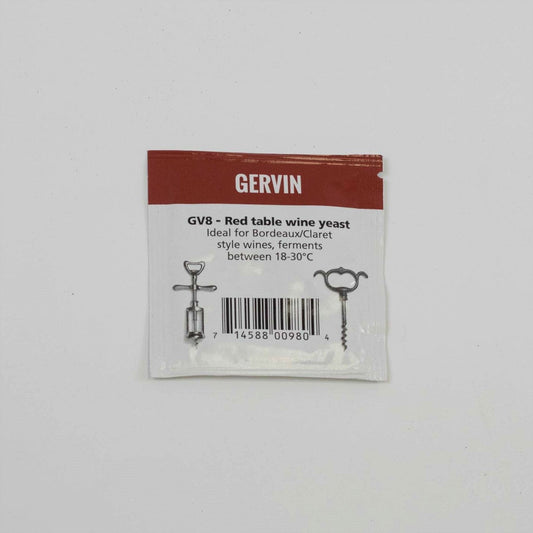
Gervin - GV8 - Red Table Wine Yeast
Regular price £1.79Regular price -
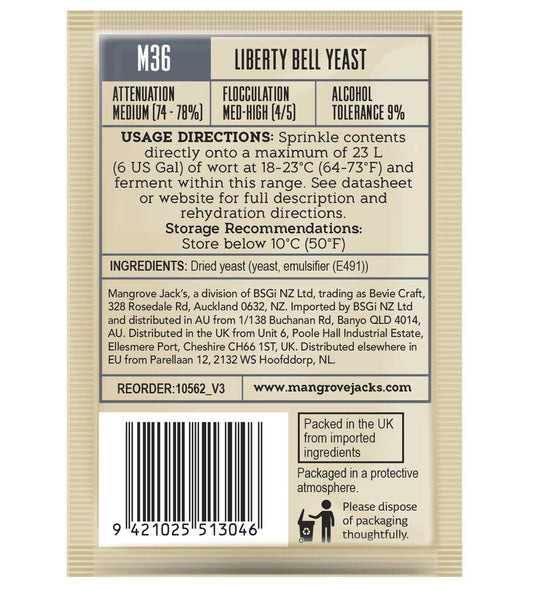
Mangrove Jacks Craft Series Liberty Bell Ale Yeast M36
Regular price £3.09Regular price -
Bulldog Bayanus Yeast 10g (Champagne, High Alcohol)
Regular price £1.49Regular price