Lager Home Brew Supplies
To brew lager at home, start with a lager kit, then add a malt-based enhancer rather than plain sugar and keep the fermentation cool. For a true crisp lager, use a lager yeast such as SafLager W-34/70, S-23 or Mangrove Jack's M84 at about 10–15°C, then condition the beer cold. This collection has lager and pilsner kits from Coopers, Geordie, Muntons, MasterPint, Mangrove Jack's and Bulldog, plus lager yeasts and Pilsner malt for all-grain brewers.
Buying guide & FAQs
Choosing a lager kit
- Easy everyday lager: Coopers DIY Lager, Geordie Lager and Simply Lager are simple one-can kits.
- Continental and pilsner styles: Coopers DIY European Lager, Muntons Connoisseurs Continental Lager, Tom Caxton Pilsner and MasterPint European Lager.
- Craft lagers: Mangrove Jack’s Helles, Golden Lager with dry hops and Italian Style Lager.
- Something different: Bulldog Hammer of Thor, a strong lager, or Muntons Dark Soul, a black lager.
Tips for a crisper home brew lager
- Replace sugar with a malt-based brew enhancer or spray malt for a better body and head.
- Swap in a lager yeast: SafLager W-34/70, S-23 or Mangrove Jack’s M84. If you can't ferment cool, M54 Californian Lager is designed to give a clean lager character at ale temperatures.
- Condition the beer cold for a few weeks after carbonating. Patience makes the biggest difference to clarity and crispness.
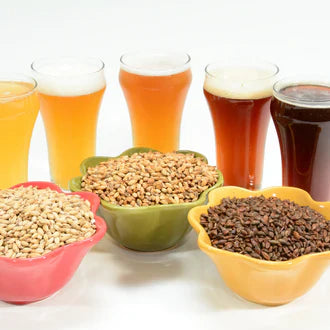
Brewing all-grain? Lager (Pilsner) malt comes in sizes from 1kg to 25kg.

-
Geordie Lager 40pt Home Brew Kit
Regular price £11.75Regular price -
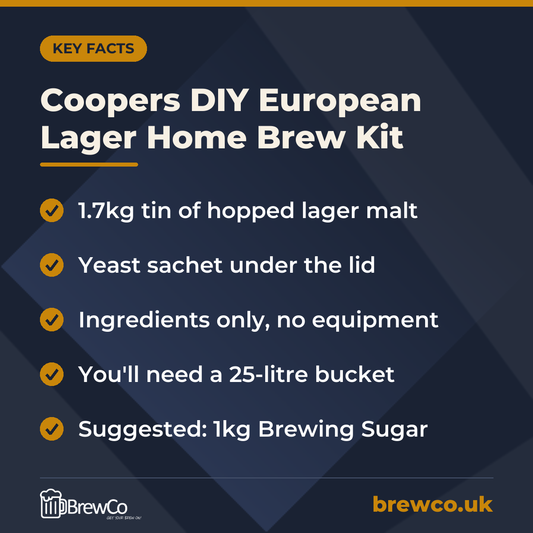
Coopers DIY European Lager Home Brew Kit
Regular price £13.99Regular price -
Bulldog Brews 1.75kg Beer Kit – Lager, Bitter or IPA
Regular price £14.99Regular price -
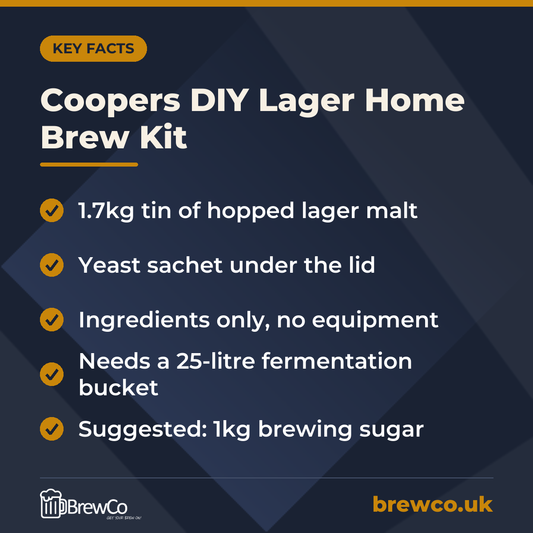
Coopers DIY Lager Home Brew Kit
Regular price £13.99Regular price -
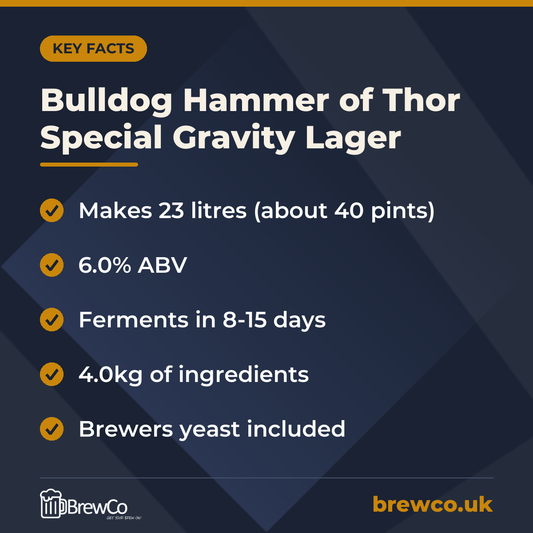
Bulldog Hammer of Thor Special Gravity Lager
Regular price £26.99Regular price -
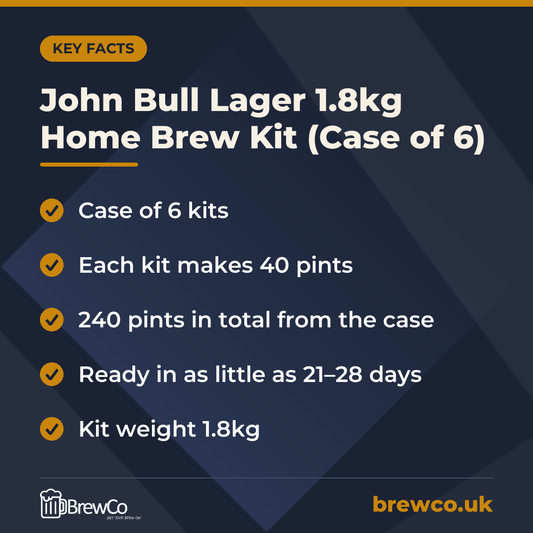
John Bull Lager 1.8kg Home Brew Kit (Case of 6)
Regular price £99.99Regular price -
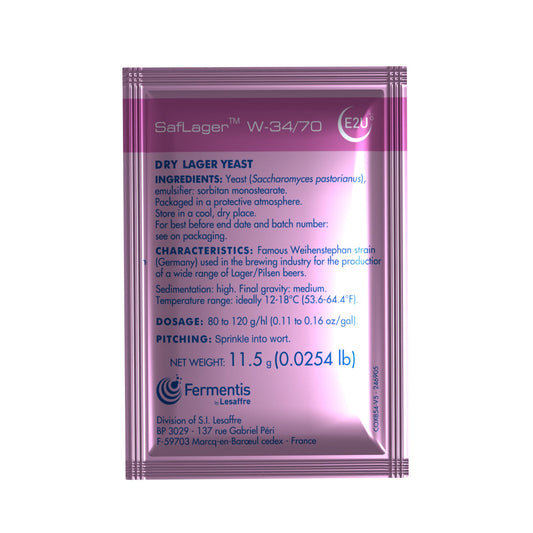
Fermentis SafLager™ W-34/70 Dried Lager Yeast 11.5g
Regular price £6.99Regular price -
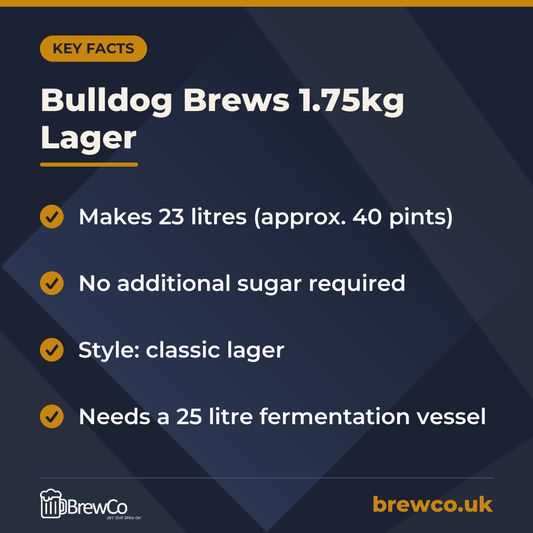
Bulldog Brews 1.75kg Lager
Regular price £14.99Regular price -
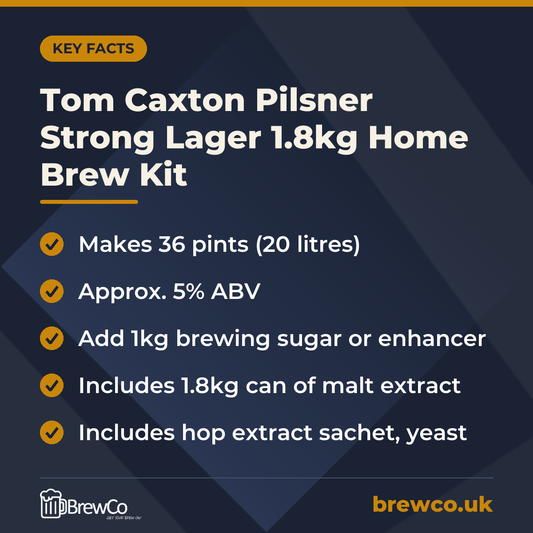
Tom Caxton Pilsner Strong Lager 1.8kg Home Brew Kit
Regular price £17.89Regular price -
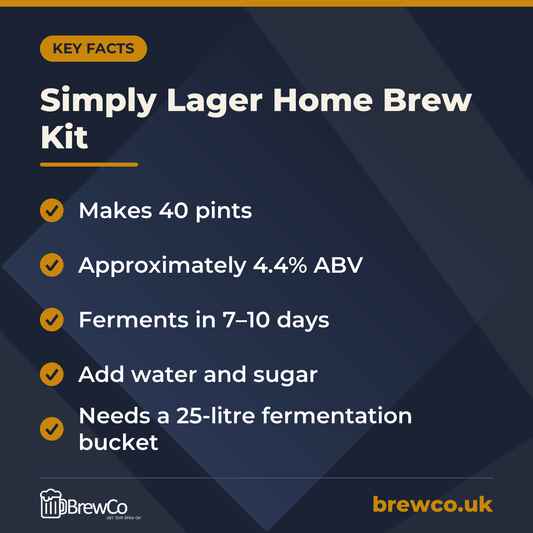
Simply Lager Home Brew Kit
Regular price £13.49Regular price -
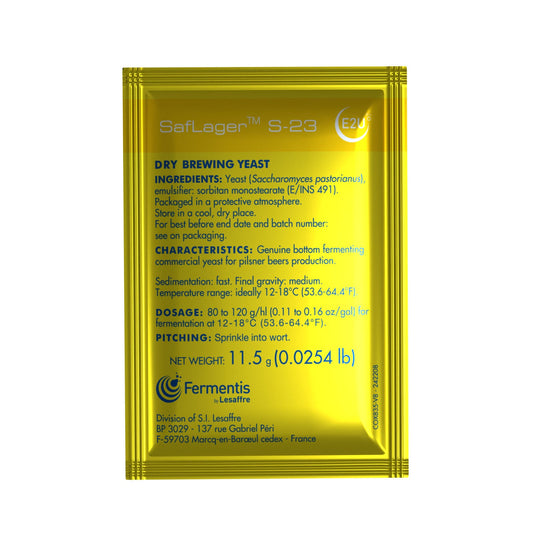
Fermentis SafLager™ S-23 Dried Lager Yeast 11.5g
Regular price £5.49Regular price -
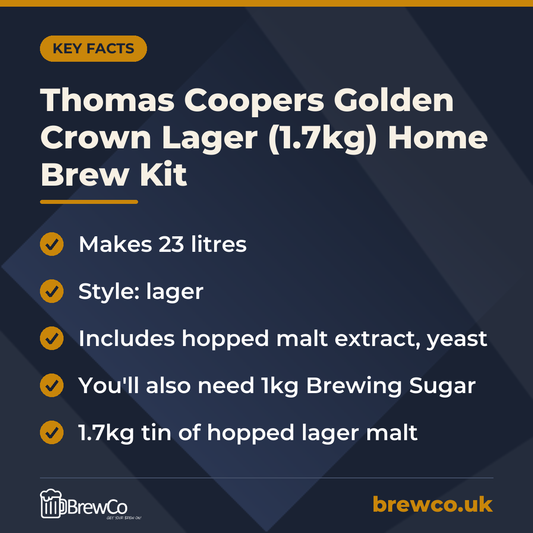
Thomas Coopers Golden Crown Lager (1.7kg) Home Brew Kit
Regular price £15.47Regular price -
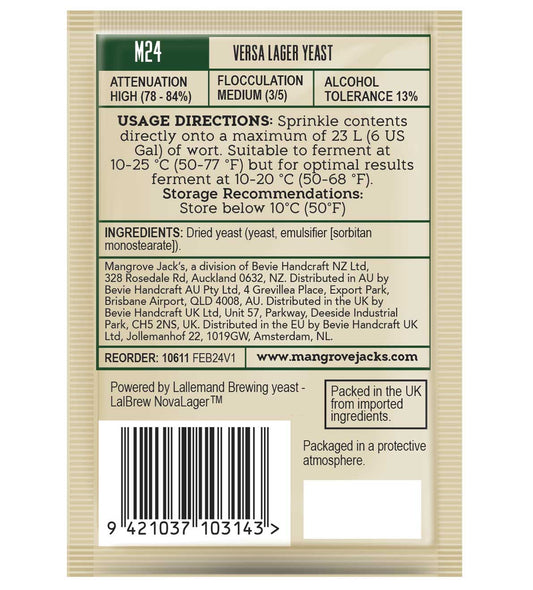
Mangrove Jacks Craft Series Versa Lager Yeast M24 - 10g
Regular price £3.99Regular price -
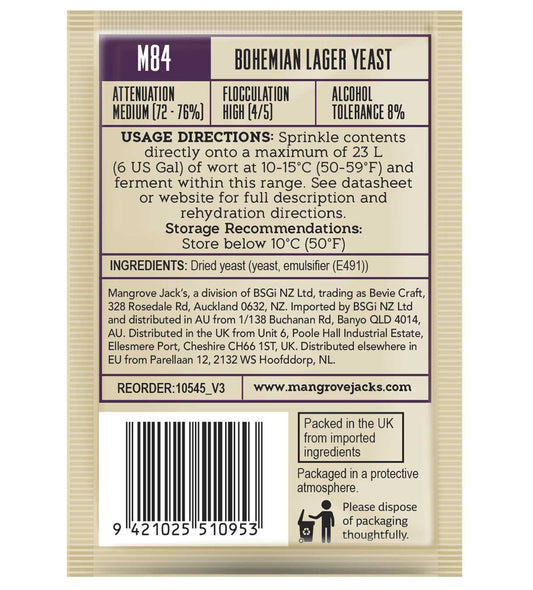
Mangrove Jacks Craft Series Bohemian Lager Yeast M84
Regular price £3.69Regular price -
Mangrove Jacks Craft Series - Helles Lager Home Brew Kit
Regular price £24.95Regular price -
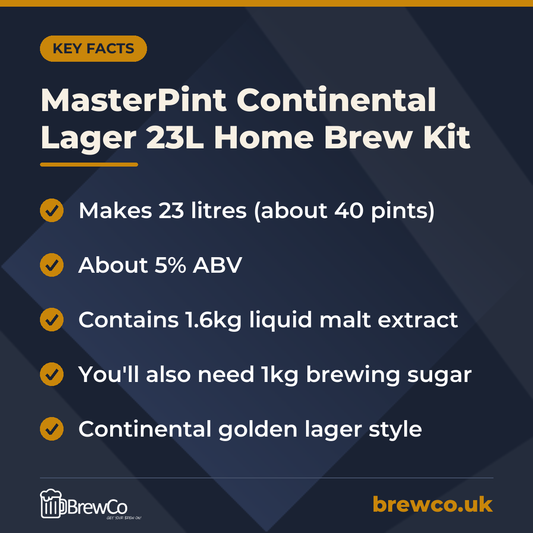
MasterPint Continental Lager 23L Home Brew Kit
Regular price £13.49Regular price -
Mangrove Jacks Craft Series Bavarian Lager Yeast M76
Regular price £4.69Regular price -
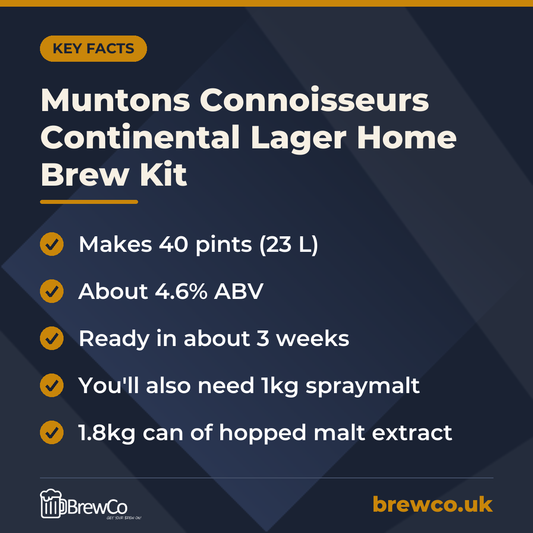
Muntons Connoisseurs Continental Lager Home Brew Kit
Regular price £15.89Regular price -
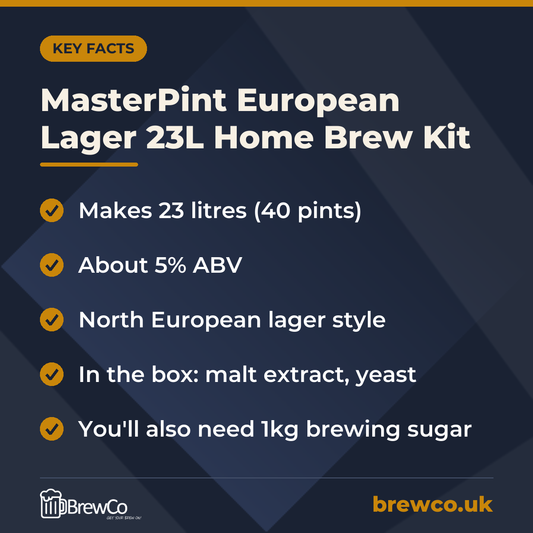
MasterPint European Lager 23L Home Brew Kit
Regular price £13.49Regular price -
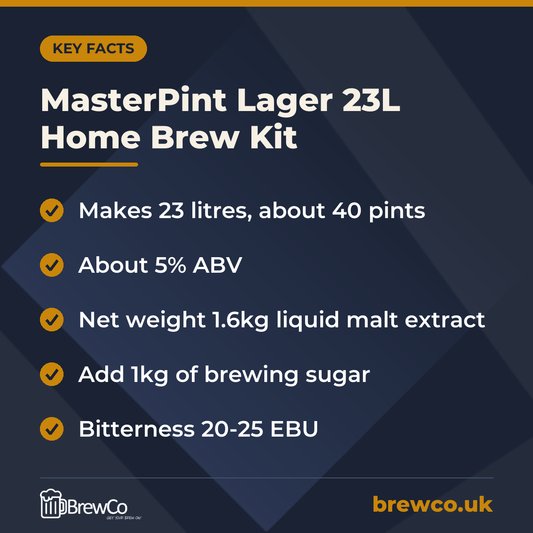
MasterPint Lager 23L Home Brew Kit
Regular price £13.49Regular price -
Muntons Tap Room Dark Soul 35 Pint Black Lager Kit
Regular price £18.95Regular price -
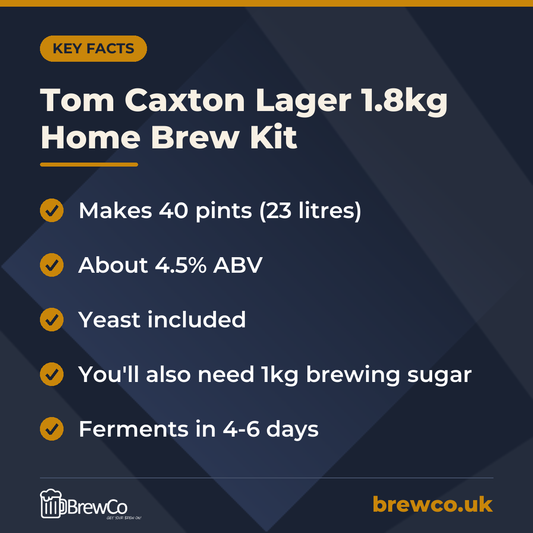
Tom Caxton Lager 1.8kg Home Brew Kit
Regular price £17.89Regular price -
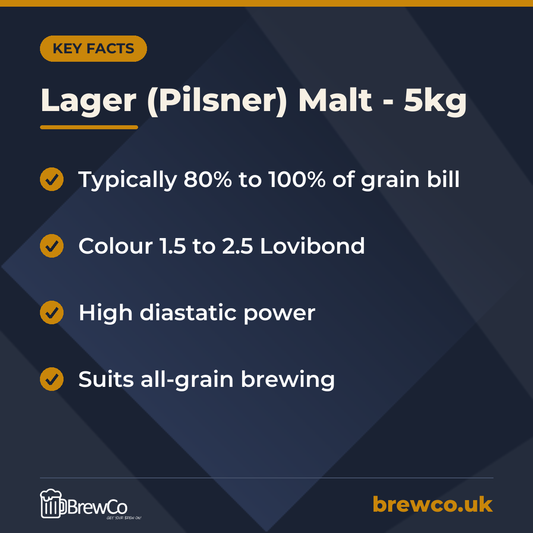
Lager (Pilsner) Malt - 5kg
Regular price £9.99Regular price -
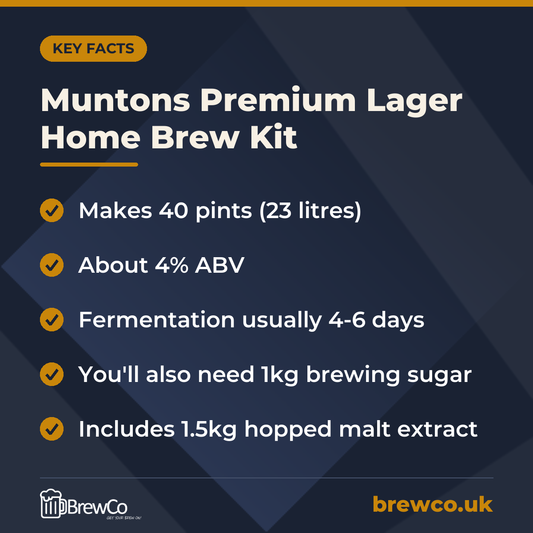
Muntons Premium Lager Home Brew Kit
Regular price £13.89Regular price