


Young's
More from Young'sYoung's Pectolase Pectic Enzyme 100g
Young's Pectolase Pectic Enzyme 100g
Regular price
£4.99
Regular price
Sale price
£4.99
Taxes included.
Shipping calculated at checkout.
Quantity
Couldn't load pickup availability
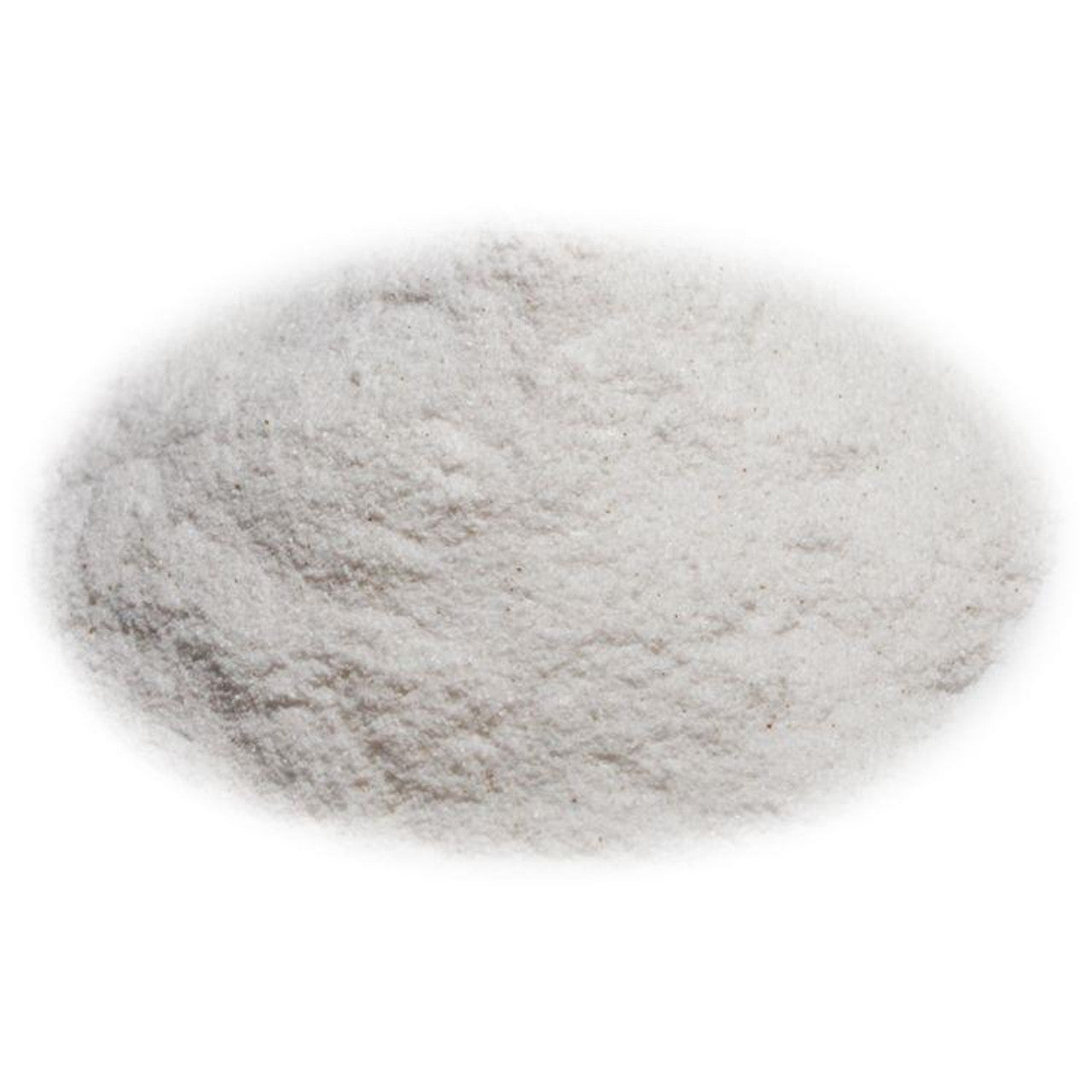

Pectolase 100g is the larger pack of this pectin-destroying enzyme, for wine and cider makers who work with a lot of fruit. It helps you get the most juice and flavour out of your fruit and stops pectin haze clouding the finished wine.
What it does
- Breaks down pectin from fruit cell walls
- Increases juice and flavour extraction
- Prevents pectin haze, which finings alone often won't clear
- Useful with apples, plums, damsons and berries
Specs
- Contents: 100g
- Type: pectic enzyme
How to use
Add during preparation of the fruit or must, before you pitch the yeast - full dosing is in the How to Use box below.
Use it with
- Yeast Nutrient - for a healthy fermentation
- Campden Tablets - to prepare the must
- Bentonite - for any remaining protein haze
Best value for regular cider and fruit-wine makers. For occasional brews, the Pectolase 30g pack is a better fit.