
Cellar 7
More from Cellar 7Cellar 7 Wine Kit Range
Cellar 7 Wine Kit Range
Couldn't load pickup availability
You'll also need
Sanitise your fermenter, equipment and bottles first with ChemSan no-rinse sanitiser.

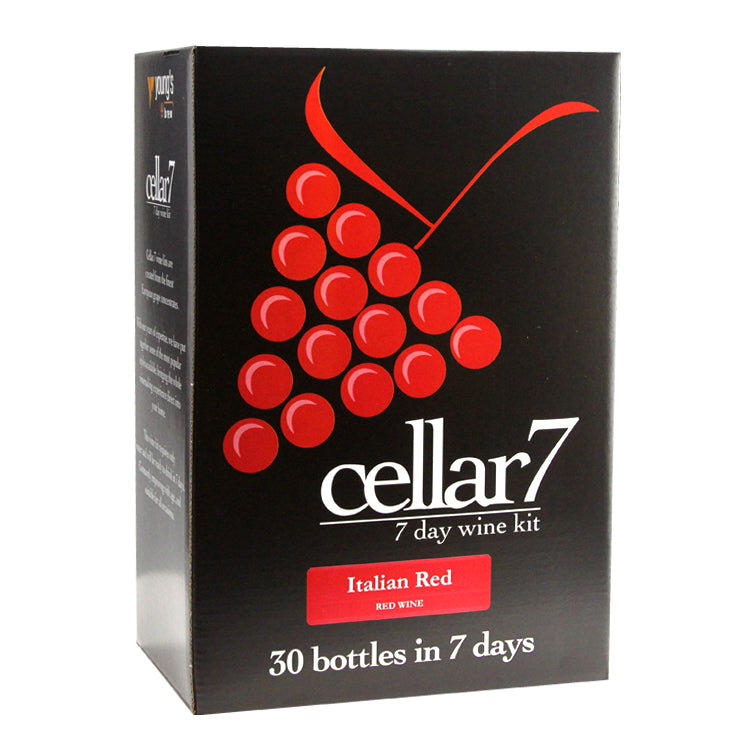
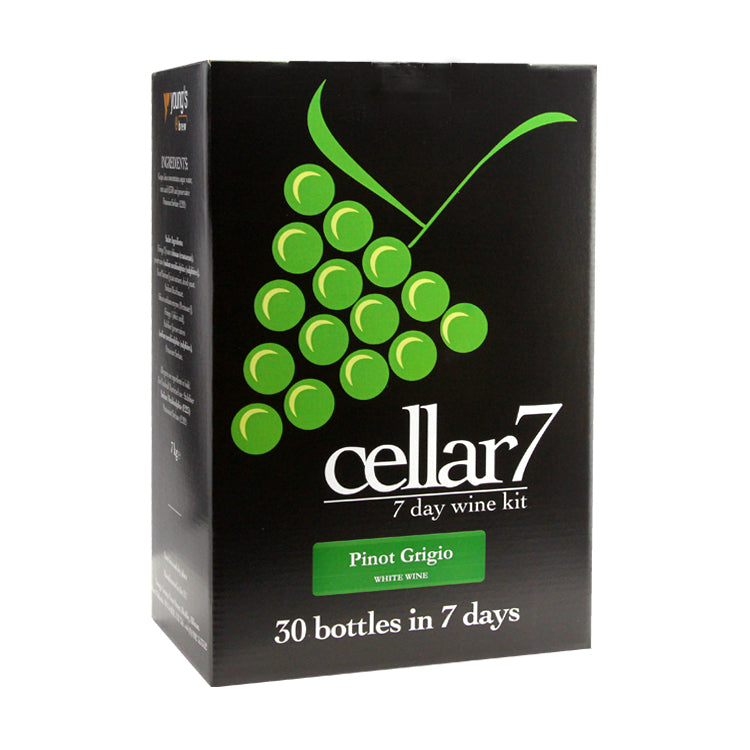
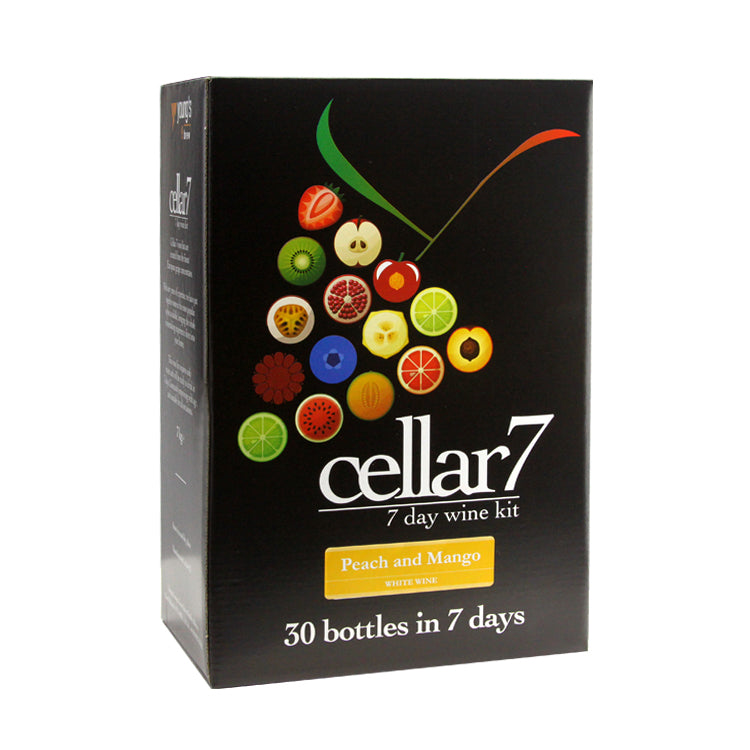
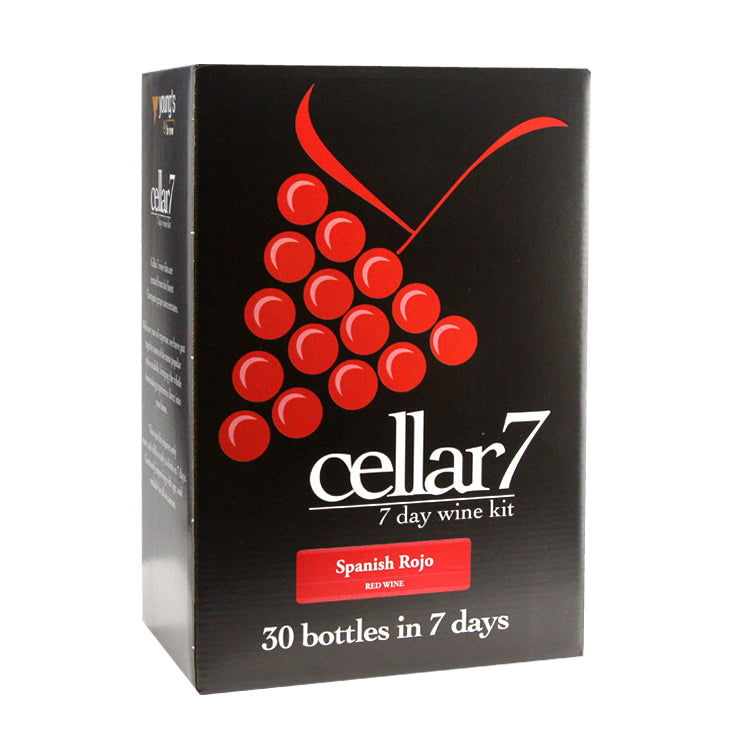
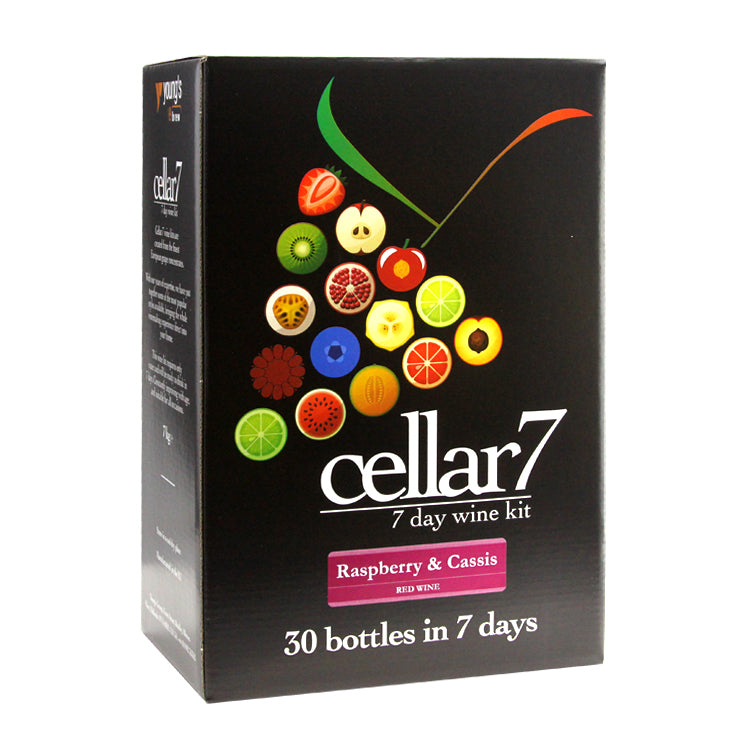
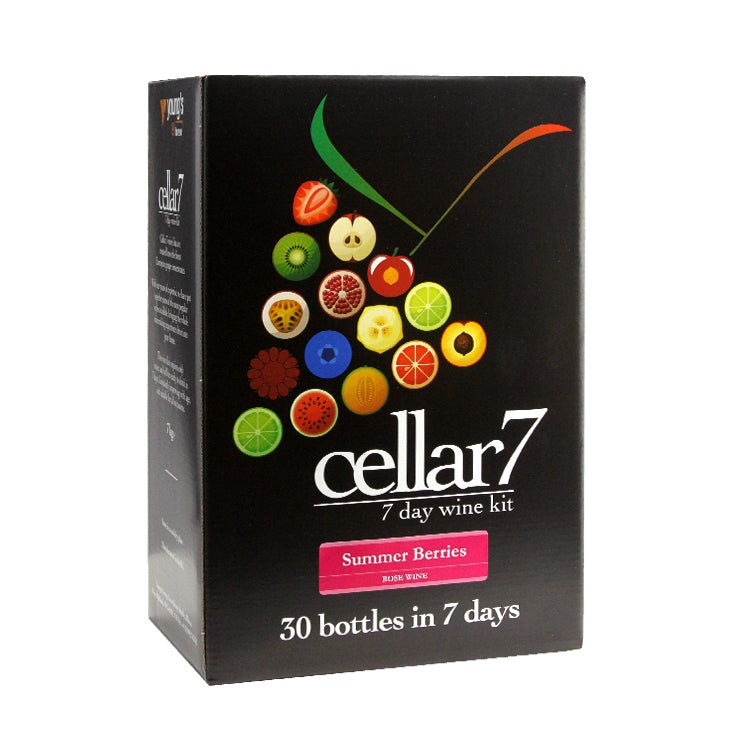
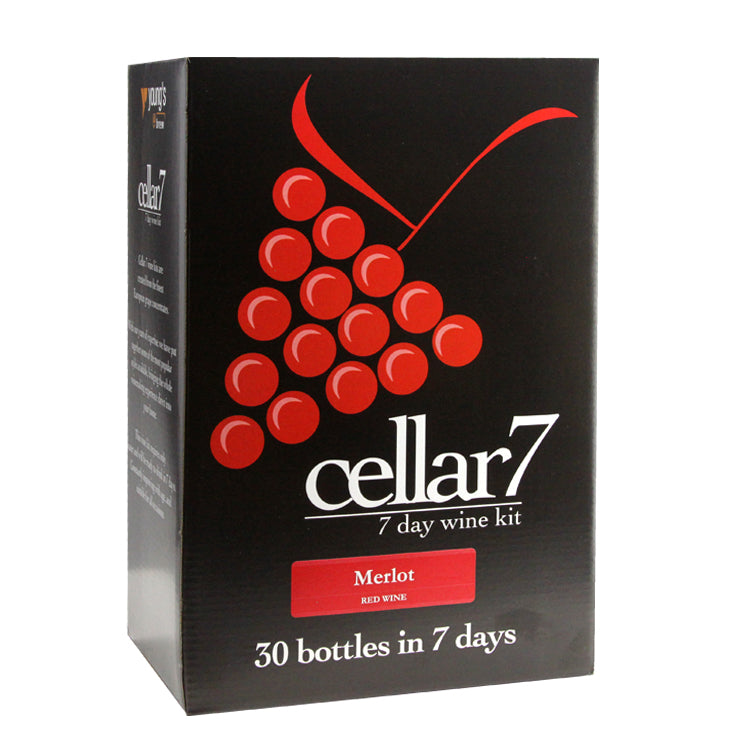
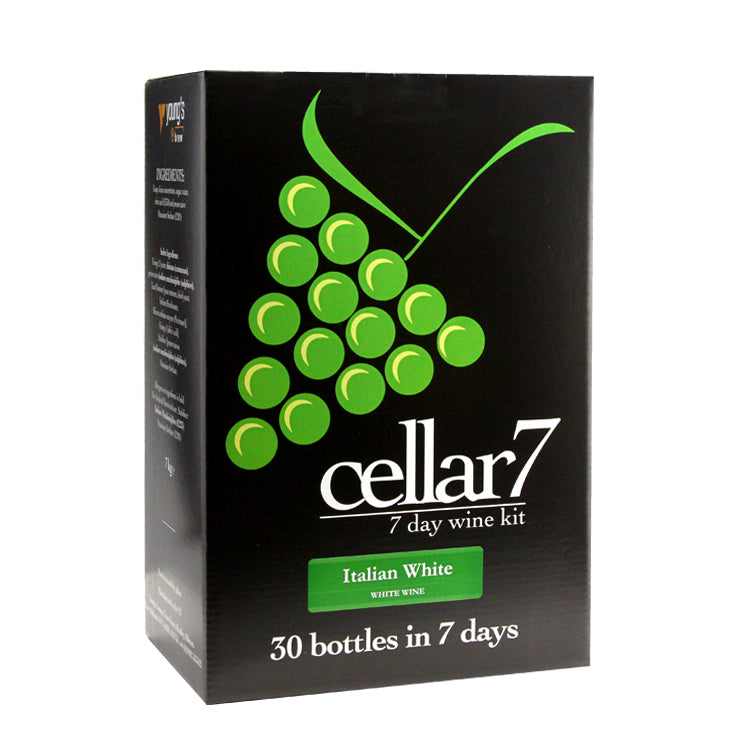
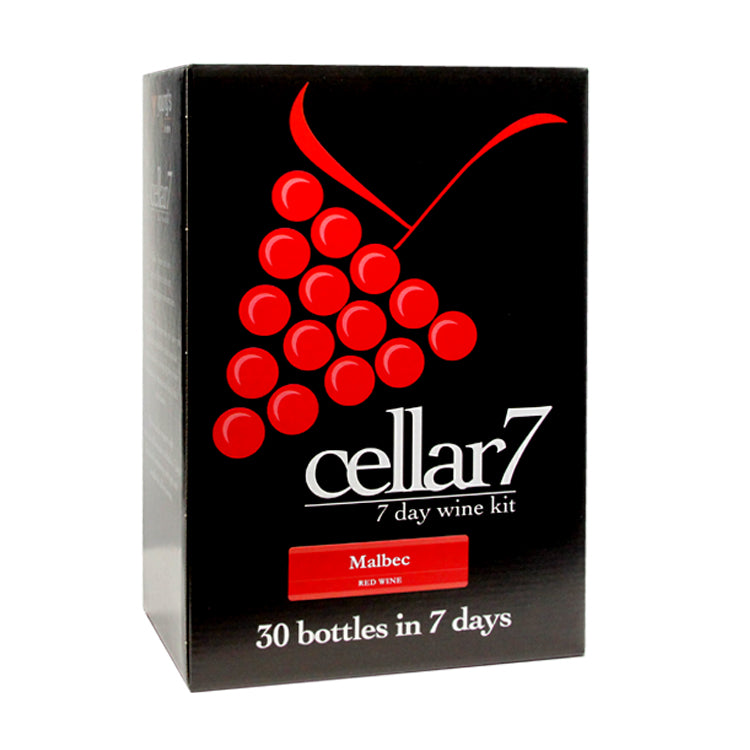
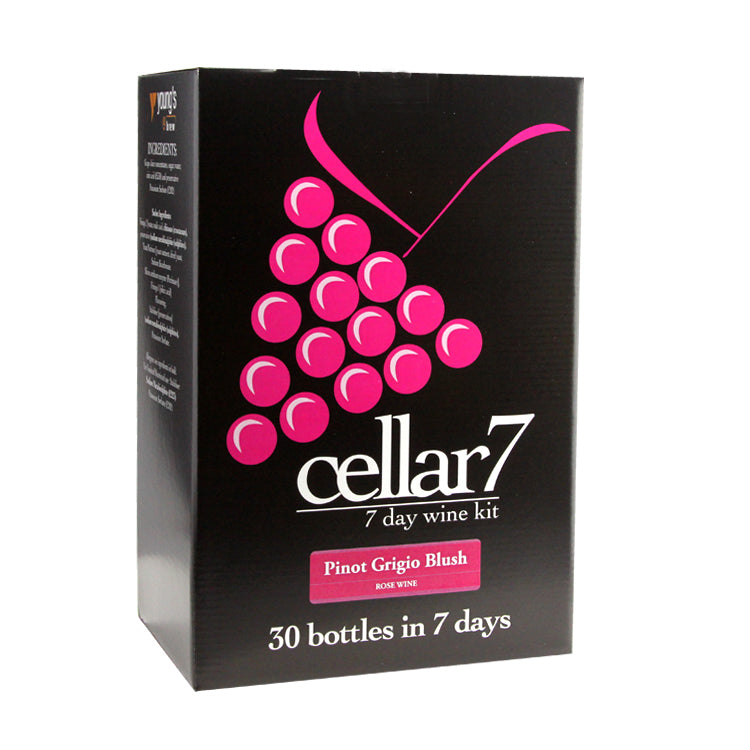
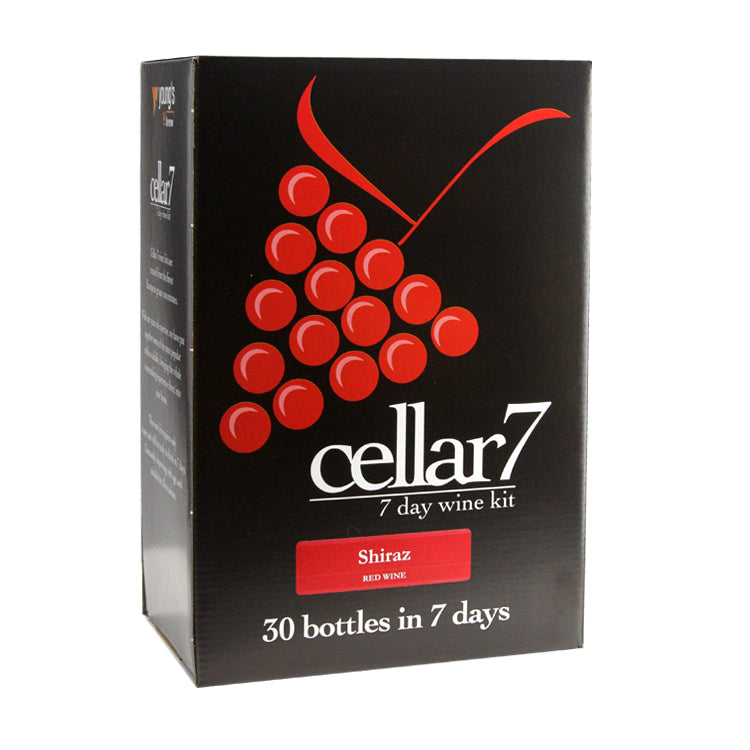
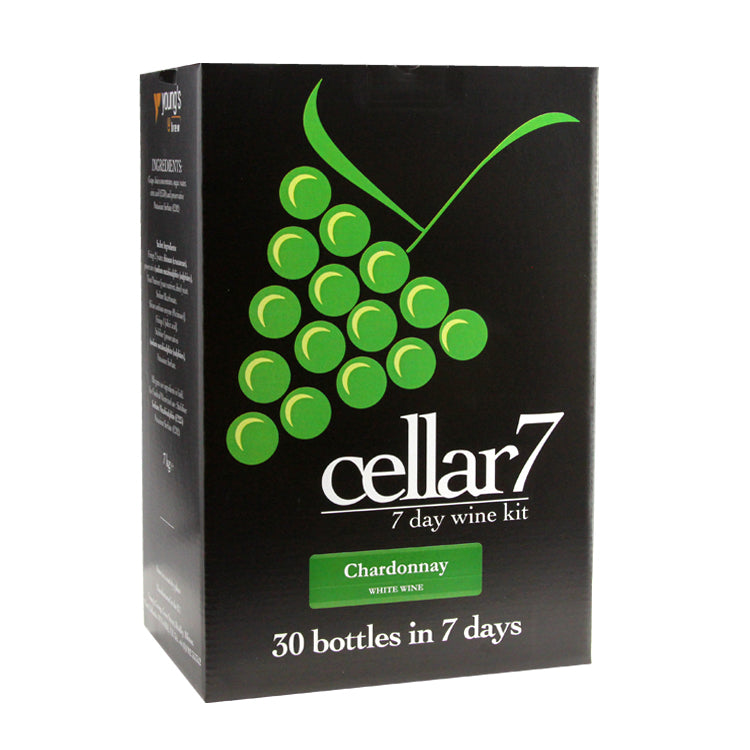
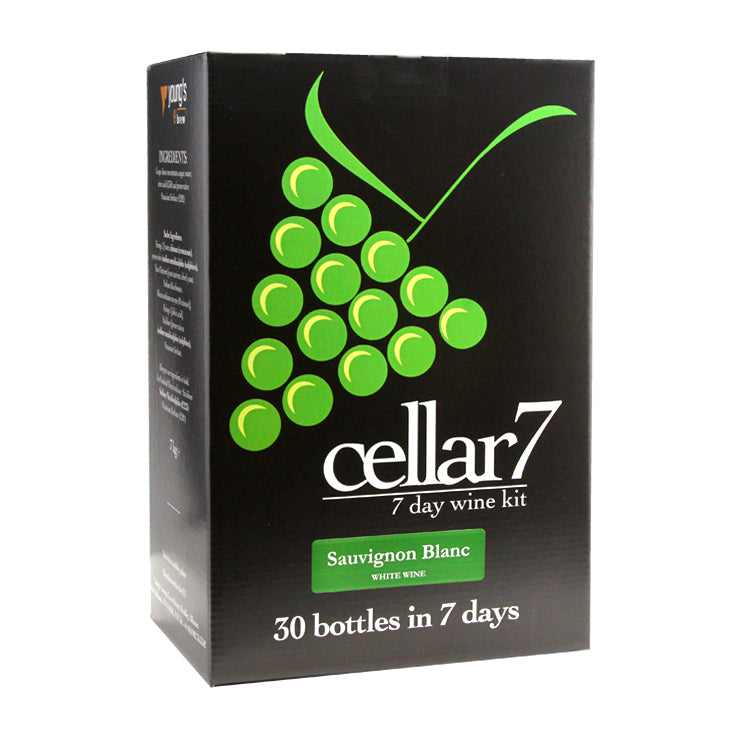
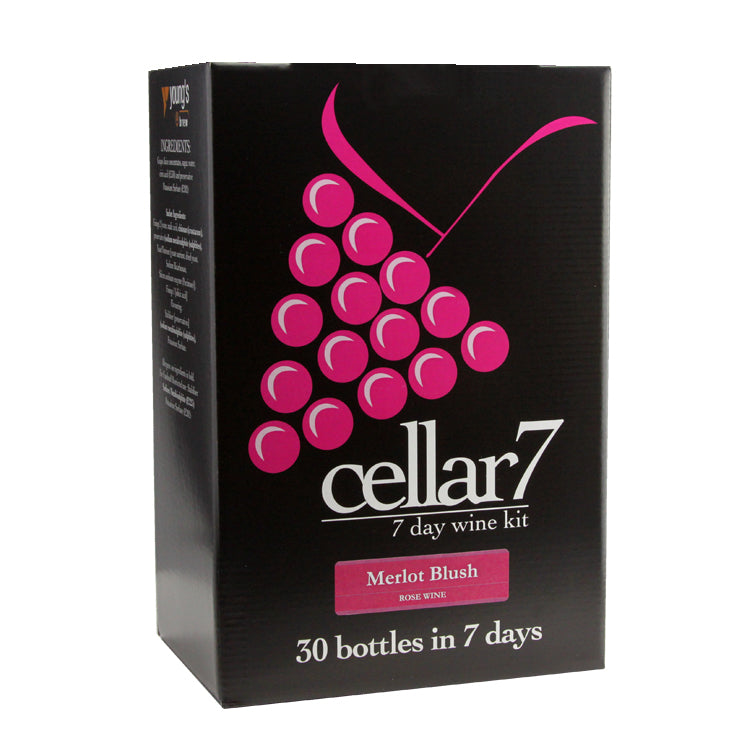
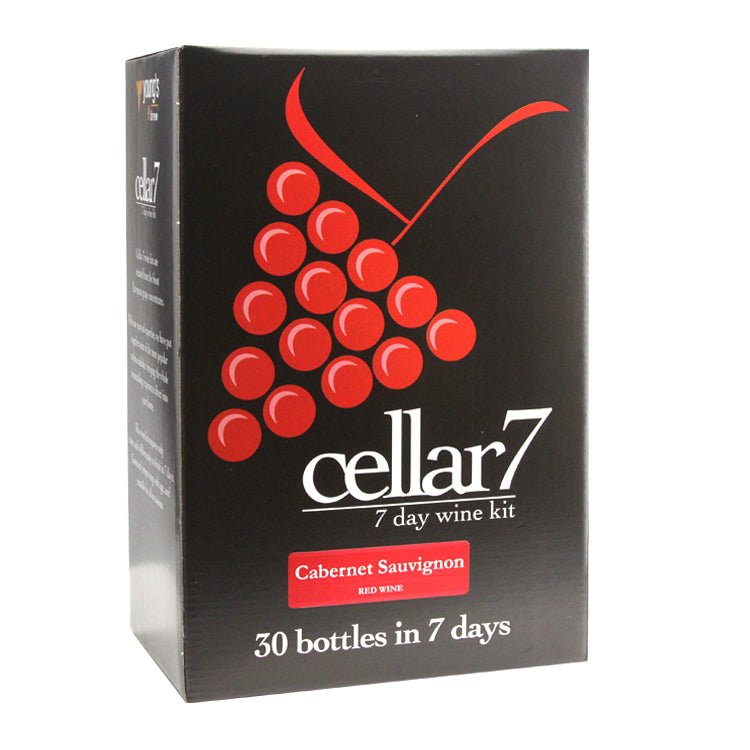
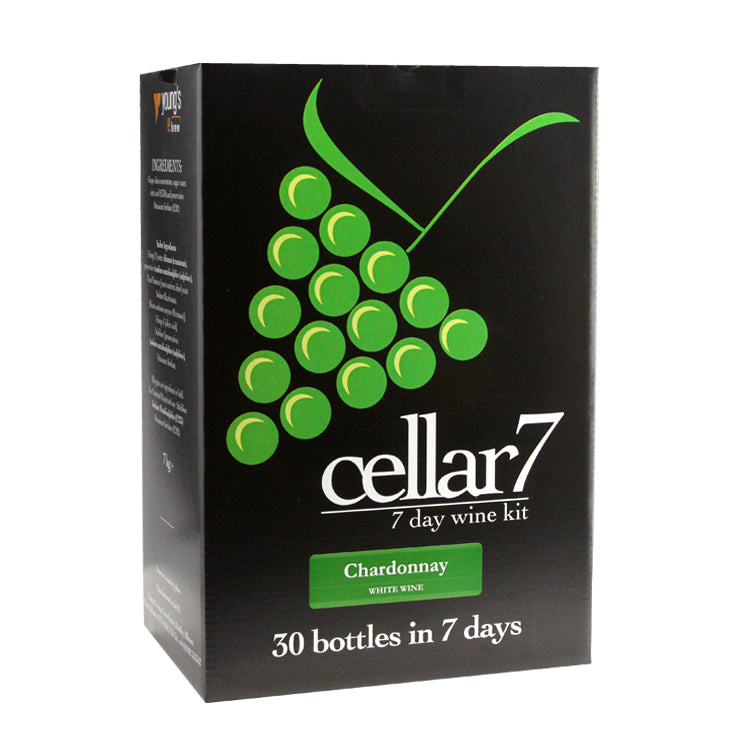
The Cellar 7 Wine Kit Range offers something genuinely impressive: 30 bottles of high-quality home made wine, ready to drink in just 7 days. Developed by Young's — one of the most trusted names in UK home brewing — these kits use premium grape concentrates to produce wines with real depth, balance, and character.
Choose from 15 varieties: Cabernet Sauvignon, Merlot, Malbec, Italian Red, Shiraz, Spanish Rojo, Chardonnay, Pinot Grigio, Sauvignon Blanc, Italian White, Pinot Grigio Blush, Merlot Blush, Summer Berries, Peach & Mango, and Raspberry & Cassis.
Why Choose Cellar 7?
Cellar 7 sits in the premium tier of 30-bottle wine kits. The concentrate quality is noticeably higher than budget ranges, resulting in wines with better structure, more pronounced varietal character, and a cleaner finish. At £38.99 for 30 bottles (23 litres), that's around £1.30 per bottle — outstanding value for a wine of this quality. The 7-day turnaround is also unique: unlike traditional wine kits that take weeks or months, Cellar 7 gets a finished, drinkable wine in your glass by next week.
What's Included
Each Cellar 7 kit contains premium grape concentrate, yeast, finings, stabiliser, nutrient, and full instructions. No additional sugar required — everything is included for fermentation and clearing, just add water.
What Equipment Do You Need?
You'll need a 23-litre fermentation vessel, airlock, hydrometer, siphon, and 30 bottles. New to home winemaking? Our Cellar 7 Equipment Starter Kit bundles all essentials together. A good sanitiser like VWP or ChemSan is essential for consistently clean results.
Fermentation Timeline
Day 0–5: Fermentation completes at 18–22°C. Add finings after day 5.
Day 6–7: Wine clears. Ready to bottle and drink immediately.
After bottling: Wine improves noticeably with 2–4 weeks of bottle conditioning — but it's already delicious straight away.
Choosing (and upgrading) your yeast
The included yeast is chosen for reliability and speed, and works well for the 7-day timeline. But the right yeast genuinely depends on which style you're making — and on how warm your home actually runs, since that affects which strains ferment cleanly.
Making a red (Cabernet Sauvignon, Merlot, Malbec, Italian Red, Shiraz, Spanish Rojo): try Mangrove Jack's CR51, bred specifically for light, fruity reds meant for early drinking — a near-perfect match for Cellar 7's whole premise. If your fermenting spot runs cool (an unheated utility room or garage in winter, often under 15°C), Lalvin EC-1118 is the safer bet — it's a robust, wide-temperature-range strain that won't stall or finish sluggishly in the cold.
Making a white or blush (Chardonnay, Pinot Grigio, Sauvignon Blanc, Italian White, Pinot Grigio Blush, Merlot Blush): Mangrove Jack's CL23 gives a crisp, fresh result with high alcohol tolerance. If you can keep the fermenter somewhere genuinely cool — a cold porch, unheated spare room, under 15°C — Lalvin K1V-1116 rewards that cold with noticeably more aromatic, fresh-fruit character; fermented warmer it's still a solid all-rounder, just less showy.
Making a fruit wine (Summer Berries, Peach & Mango, Raspberry & Cassis): Mangrove Jack's MA33 is an acid-reducing strain built for exactly this — fruity wines with some residual sweetness. It's forgiving of a warmer kitchen or airing cupboard (up to the low 20s°C) without the fermentation running away or stripping out fruit character.
In short: a consistently warm home (kitchen, airing cupboard, near a boiler) suits most strains fine, but if your fermenting spot runs cold in winter, lean on EC-1118 or CL23 rather than anything delicate — and if you can deliberately keep a white cool, K1V-1116 is worth the extra care for the aroma it gives back.
Tips for Best Results
- Keep fermentation temperature stable at 18–22°C where possible — use a brew belt or heat strip if your room is cool
- Sanitise all equipment before use — this is the single most important step for clean, crisp results
- Allow the wine to clear fully before bottling for maximum clarity and brilliance
- Condition in the bottle for at least 2 weeks before drinking for rounded flavour development
- Serve at the temperature recommended for each style (reds 16–18°C, whites & rosés 8–10°C)
Also explore the Solomon Grundy Platinum range or Beaverdale 30 Bottle range for alternative premium options. Browse all wine kits at BrewCo.
Kit Specification